
ICSI and IVF Treatment in Hyderabad IVF & ICSI Treatment in Hyderabad | Advanced Fertility Care
ICSI (Intracytoplasmic Sperm Injection) and IVF (In Vitro Fertilisation) are advanced assisted reproductive techniques used to help couples achieve pregnancy when natural conception is not possible or has repeatedly failed. These treatments address a wide range of fertility challenges related to both female and male factors. While IVF involves fertilisation of the egg with sperm in a laboratory environment, ICSI is a specialised form of IVF where a single sperm is injected directly into the egg to achieve fertilisation.
ICSI and IVF treatment in Hyderabad focuses on accurate
diagnosis, personalised treatment planning, and careful
execution to maximise pregnancy outcomes while ensuring patient
safety.
Dr. Sravya Buggana believes that IVF/ICSI is recommended only
when medically necessary after evaluating and correcting
reversible causes of infertility wherever possible
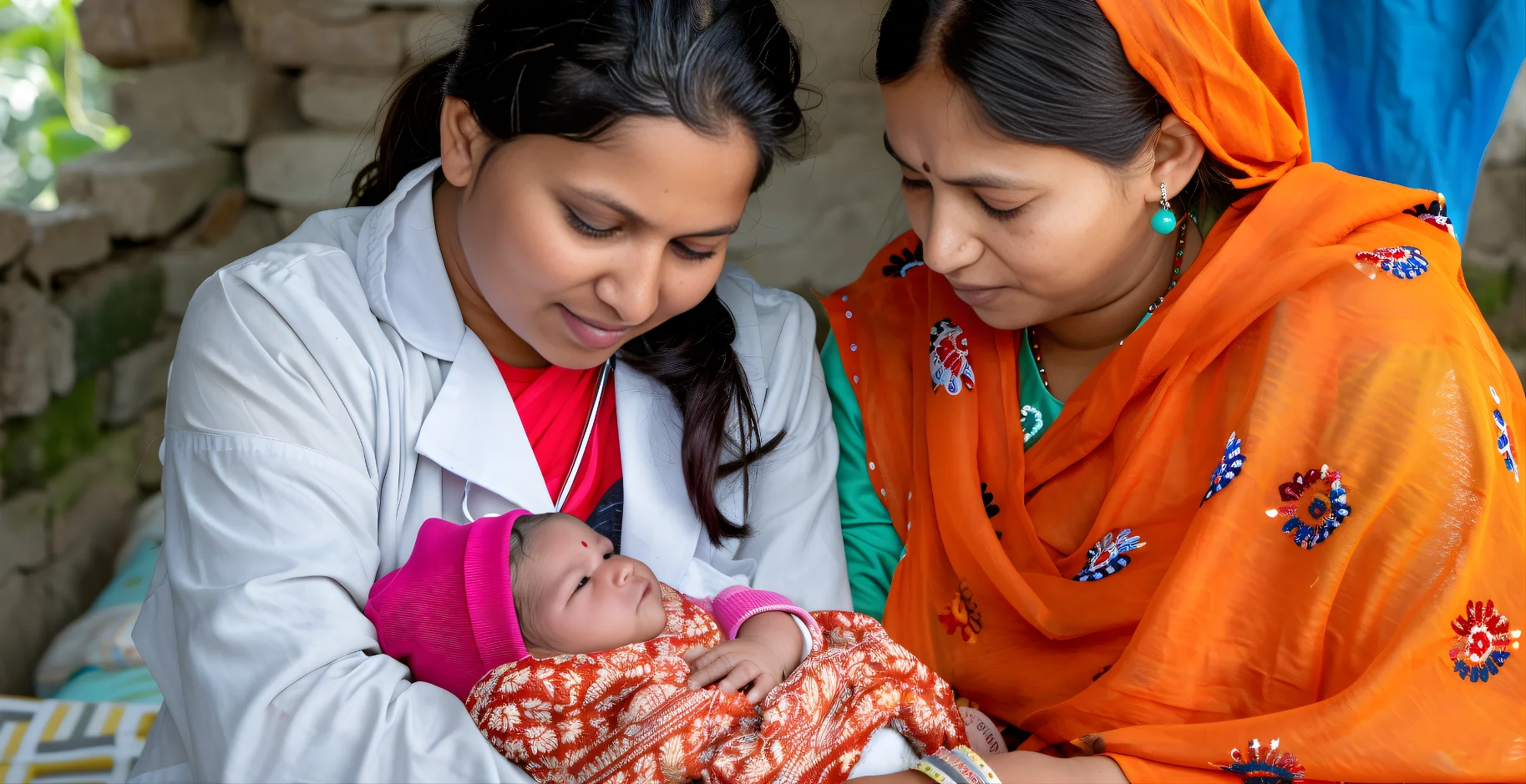
What is IVF (In Vitro Fertilisation)?
IVF is a fertility treatment in which eggs are retrieved from the ovaries and fertilised with sperm in a specialised laboratory. The resulting embryos are cultured and later transferred into the uterus at the appropriate time. IVF allows fertilisation and early embryo development to occur outside the body, making it effective in many complex infertility situations.
What is ICSI (Intracytoplasmic Sperm Injection)?
ICSI is an advanced technique performed as part of IVF. In ICSI, a single healthy sperm is selected and injected directly into the egg using specialised equipment. This technique bypasses many natural barriers to fertilisation. ICSI is especially useful in cases of severe male factor infertility, previou fertilisation failure and unexplained infertility.
When are IVF and ICSI Recommended?
ICSI and IVF are recommended in a wide range of infertility conditions involving female, male, or combined factors.
Female Factors Treated with IVF / ICSI
IVF and ICSI are used in women with:
- Blocked or damaged fallopian tubes
- Unexplained infertility
- Failed IUI cycles
- PCOS with failed ovulation induction
- Low ovarian reserve or low AMH
- Advanced maternal age
- Endometriosis
- Poor egg quality
- Recurrent pregnancy loss
- Recurrent IVF failure
Male Factors Treated with IVF / ICSI
ICSI and IVF are especially effective for male infertility, including:
- Low sperm count (oligospermia)
- Poor sperm motility (asthenospermia)
- Abnormal sperm morphology (teratozoospermia)
- High sperm DNA fragmentation
- Azoospermia with surgically retrieved sperm
- Previous fertilisation failure
Diagnostic Evaluation Before IVF / ICSI
A detailed evaluation is essential before starting treatment.
Evaluation may include:
- Hormonal and fertility assessment of the female partner
- Ultrasound evaluation of uterus and ovaries
- Tubal assessment when indicated
- Semen analysis and advanced sperm testing
- Genetic evaluation in selected cases
- Uterine cavity assessment
- Review of previous treatment history
This ensures that IVF or ICSI is appropriately planned and optimised.
IVF and ICSI Treatment Process
The treatment process includes:
- Ovarian stimulation and monitoring
- Egg retrieval procedure
- Sperm preparation
- Fertilisation using IVF or ICSI
- Embryo transfer or cryopreservation
- Embryo culture and monitoring
- Luteal phase support and pregnancy testing
Each step is carefully timed and individualised.
Role of ICSI in IVF Treatment
ICSI plays a critical role when:
- Fertilisation failure risk is high
- Sperm parameters are severely abnormal
- Surgically retrieved sperm is used
- Previous IVF cycles failed to fertilise
- Genetic or sperm-related issues are present
Benefits of IVF & ICSI
- Helps in managing Unexplained Fertility
- Treats both male and female fertility factors
- Improves fertilisation rates
- Allows use of surgically retrieved sperm
- Enables genetic testing when required
- Offers embryo freezing for future planning
- Provides higher pregnancy success in selected cases
Risks & Safety
IVF and ICSI are well-established and safe when performed under expert supervision. Risks such as ovarian hyperstimulation, multiple pregnancy, or treatment failure are minimised through careful planning, monitoring, and ethical decision-making. All risks and alternatives are explained clearly before treatment.

Care with Dr. Sravya Buggana for ICSI & IVF in Hyderabad?
Dr. Sravya Buggana Senior Gynecologist, Fertility Expert & Advanced Laparoscopic Surgeon offers comprehensive IVF and ICSI treatment with a patient-centred and evidence-based approach.
Trust indicators:
- 12+ years of experience in fertility and reproductive medicine
- Expertise in managing both male and female infertility
- Individualised IVF and ICSI protocols
- Ethical treatment planning
- Clear communication and realistic expectations
- Focus on healthy pregnancy outcomes
Her approach ensures assisted reproduction is used appropriately and effectively.
Cost of ICSI & IVF Treatment in Hyderabad
The cost of IVF and ICSI varies depending on medications, laboratory procedures, use of ICSI, genetic testing, and embryo freezing. Transparent discussions are held so patients clearly understand the treatment plan and associated costs.
FAQs – ICSI & IVF
IVF with ICSI is an advanced fertilization technique where a single sperm is injected directly into each egg to improve fertilization rates and embryo development.
ICSI is widely used to maximize fertilization outcomes, even in non-male factor cases, as it reduces the risk of fertilization failure and improves laboratory precision.
Yes — if correctable causes like fibroids, adhesions, PCOS, or endometriosis are treated, natural conception or simpler treatments may be possible before IVF is considered.
IVF success depends on factors like age, egg quality, sperm parameters, and uterine health, with higher success rates seen in younger women and good embryo quality.
The process is generally well tolerated — egg retrieval is done under anesthesia.
While some couples conceive in the first cycle, others may require multiple cycles depending on their underlying fertility condition.
The number depends on age, embryo quality, and clinical guidelines, with single embryo transfer preferred when feasible.
Yes — embryos can be cryopreserved and transferred in future cycles, often with comparable success rates.
A typical IVF cycle takes about 4–6 weeks from ovarian stimulation to embryo transfer.
Yes — if underlying fertility barriers are corrected, natural conception may still be possible in selected cases.
Book an Appointment
If you are facing difficulty conceiving due to male, female, combined fertility factors OR unexplained infertility consult Dr. Sravya Buggana for expert ICSI and IVF treatment in Hyderabad.
👉 Book an Appointment Today