
PRP and ERA Procedures in Hyderabad / Endometrial PRP & ERA Testing | Implantation Enhancement Therapy
PRP (Platelet-Rich Plasma) and ERA (Endometrial Receptivity Analysis) are advanced procedures used to evaluate and improve the uterine environment. These techniques are especially useful when routine treatments fail to give results or when implantation-related issues are suspected. Both procedures focus on optimising the endometrium, which plays a crucial role in implantation, menstrual health, and pregnancy outcomes.
PRP and ERA procedures in Hyderabad are offered as part of a structured, evidence-based approach to uterine evaluation and treatment. Dr. Sravya Buggana believes that PRP & ERA treatments in Hyderabad are Recommended selectively after comprehensive evaluation in recurrent implantation failure or persistently thin endometrium.
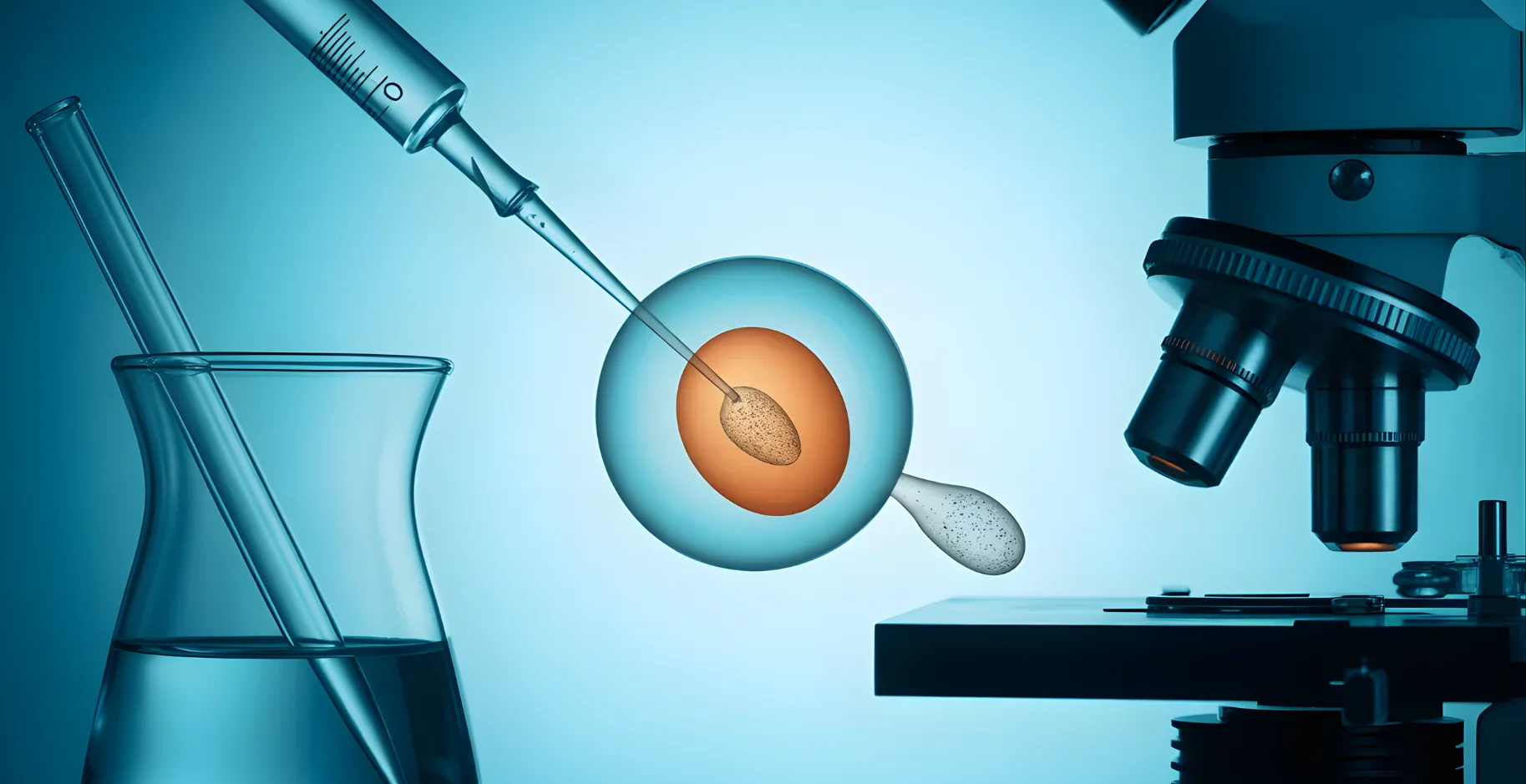
What is PRP (Platelet-Rich Plasma)?
Platelet-Rich Plasma (PRP) therapy is a regenerative fertility
treatment used to improve endometrial receptivity and, in
selected cases, support ovarian function. At our fertility
center in Hyderabad, PRP is offered for women with
thin endometrium, recurrent implantation challenges, poor
endometrial response, or reduced ovarian reserve.
PRP is prepared from the patient’s own blood using a centrifuge
to concentrate platelet-derived growth factors. When
administered into the uterine lining (sub-endometrial PRP) or
ovaries in carefully selected cases, it may help enhance tissue
repair, improve blood supply, and optimize the environment for
embryo implantation.
The procedure is minimally invasive and performed under ultrasound or hysteroscopic guidance. As part of our ethical, evidence-based fertility approach, PRP is recommended selectively after comprehensive evaluation to support natural conception or assisted reproductive outcomes when indicated.
What is ERA (Endometrial Receptivity Analysis)?
ERA is a specialised diagnostic test that evaluates the gene
expression of the endometrium to determine the optimal window of
implantation. Not all women have the same implantation timing,
and in some cases, embryo transfer may be mistimed despite
good-quality embryos.
ERA helps identify whether the endometrium is receptive,
pre-receptive, or post-receptive, allowing precise
personalisation of treatment timing.
When are PRP and ERA Recommended?
PRP and ERA are recommended in selected cases such as:
- Recurrent IVF failure
- Repeated implantation failure
- Thin or poorly responsive endometrium
- Poor endometrial growth despite treatment
- Recurrent pregnancy loss with suspected implantation issues
- Failed frozen embryo transfers
- Selected uterine lining abnormalities
- Unexplained treatment failure despite good embryo quality
Clinical observation: Repeated treatment without addressing endometrial receptivity often leads to cycle failure. Targeted endometrial evaluation improves outcomes.
Types of PRP Used in Gynaecology
PRP can be used in different ways depending on the clinical need.
Endometrial PRP
Used in:
- Thin endometrium
- Poor endometrial response
- Recurrent implantation failure
- Recurrent IVF failure
The aim is to improve endometrial thickness, vascularity, and receptivity.
Ovarian PRP (Selected Cases)
Used in:
- Low ovarian reserve
- Poor ovarian response
- Selected cases of diminished ovarian function
This approach is offered only after detailed counselling regarding benefits and limitations.
How ERA is Performed
ERA is performed by taking a small sample of the endometrial
tissue during a specific phase of the menstrual cycle. The
sample is analysed to study gene expression patterns related to
implantation.
Based on the result, embryo transfer or treatment timing can be
adjusted to match the patient’s personalised window of
implantation.
Based on the result, embryo transfer or treatment timing can be adjusted to match the patient’s personalised window of implantation.
PRP and ERA help by:
- Improving endometrial quality
- Identifying implantation timing issues
- Reducing repeated treatment failure
- Enhancing IVF success rates in selected cases
- Avoiding unnecessary repeat procedures
- Supporting personalised treatment planning
Benefits of PRP & ERA
- Targeted endometrial optimisation
- Personalised treatment approach
- Improved implantation potential
- Reduced cycle failure
- Better use of available embryos
- Minimally invasive procedures
- Short recovery time
Risks & Safety
PRP uses the patient’s own blood and is considered safe with minimal risk. ERA is a diagnostic test with very low risk. Both procedures are performed under strict protocols and are recommended only when clinically indicated. Patients are counselled clearly about benefits, limitations, and expected outcomes.

Care with Dr. Sravya Buggana for PRP & ERA in Hyderabad?
Dr. Sravya Buggana Senior Gynecologist, Fertility Expert & Advanced Laparoscopic Surgeon offers advanced endometrial evaluation and optimisation using PRP and ERA as part of comprehensive gynaecological and reproductive care.
Trust indicators:
- 12+ years of experience in reproductive and uterine health
- Expertise in managing implantation-related conditions
- Experience with PRP and ERA-based protocols
- Ethical, evidence-based treatment planning
- Clear counselling and realistic expectations
- Focus on personalised care rather than repeated trial cycles
Her approach ensures these advanced procedures are used judiciously and effectively.
Cost of PRP & ERA Procedures in Hyderabad
The cost varies depending on the type of PRP used, laboratory testing for ERA, and overall treatment planning. Transparent discussions are held before the procedure so patients clearly understand the purpose, process, and costs involved.
FAQs – PRP & ERA
No. PRP may improve endometrial response in selected cases, but results vary.
Yes — since it uses the patient’s own blood, the risk of allergic reaction or rejection is minimal.
ERA helps personalise implantation timing but does not guarantee pregnancy.
No. These procedures are recommended only when clinically indicated.
Both PRP and ERA involve minimal discomfort and are generally well tolerated.
Book an Appointment
If you have experienced repeated treatment failure, thin endometrium, or implantation-related concerns, consult Dr. Sravya Buggana for expert PRP and ERA procedures in Hyderabad.
👉 Book an Appointment Today